The Helmet Of Salvation
A soldier's helmet protected the most vital part of the body: the head.
ARMOR OF GOD
1 min read
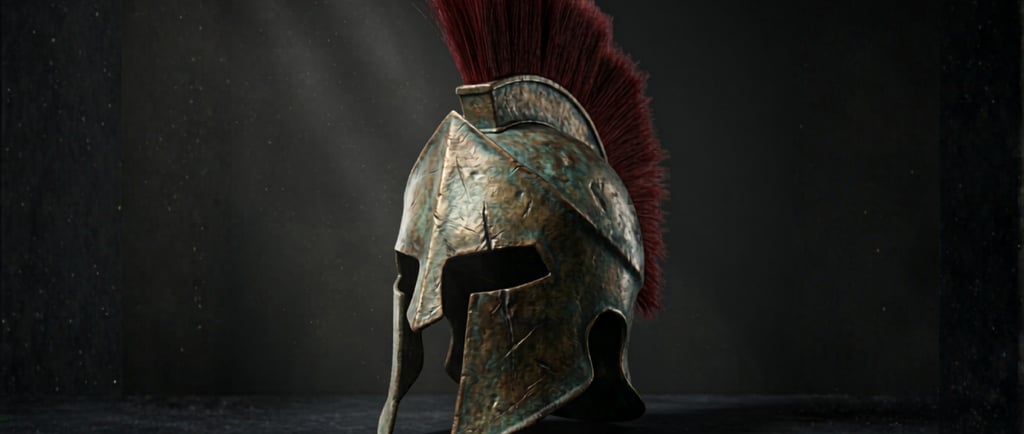
The Helmet of Salvation
In Ephesians 6:10–17, the apostle Paul paints a vivid picture of spiritual warfare, urging believers to "put on the full armor of God." Among the pieces he describes — the belt of truth, the breastplate of righteousness, the shield of faith — stands the helmet of salvation. It's a small detail in the passage, but it carries enormous weight.
Why the Head?
A Roman soldier's helmet protected the most vital part of the body: the head. Without it, even a well-armored warrior was dangerously exposed. Paul's metaphor is deliberate. The helmet of salvation guards the mind — the place where doubt creeps in, where discouragement takes root, and where the enemy's lies land first.
What It Actually Protects
The helmet isn't about earning salvation; it's about knowing you have it. When a believer is secure in the reality that they belong to God — past, present, and future — it changes how they think. Anxiety about eternal standing gives way to confidence. Shame loses its grip. The accusing voice that whispers "you're not enough" runs into a settled truth: it is finished.
This is why Paul, writing to the Thessalonians, calls it "the hope of salvation" (1 Thessalonians 5:8). Hope here isn't wishful thinking — it's confident expectation. The helmet protects against despair by anchoring the mind to what God has already done and promised to complete.
Why It Matters Today
We live in an age of mental noise. Comparison, fear, information overload, and spiritual confusion bombard us daily. Without a guarded mind, it's easy to drift — to forget who we are and whose we are. The helmet of salvation is a daily reminder to think from a place of security rather than striving, to filter every thought through the truth of the gospel.
Putting it on isn't a one-time event. It's a daily, conscious choice to let the assurance of salvation shape how we see ourselves, our circumstances, and our God.